

VIN verification authenticates classic cars in LA by cross-referencing a 17-char alphanumeric code against databases, ensuring historical integrity and protecting enthusiasts from counterfeits, despite altered parts or lost paperwork.
“Uncover the secrets of vintage vehicles with a focus on crucial VIN (Vehicle Identification Number) verification in LA’s classic car scene. This comprehensive guide delves into the significance of VINs, their role in authenticating timeless automobiles, and the unique challenges faced by enthusiasts. From understanding the intricate details of each digit to mastering best practices for accurate verification, this article equips readers with essential knowledge for navigating the world of vintage vehicle ownership.”
- Understanding VIN (Vehicle Identification Number)
- The Role of VIN Verification in Classic Cars
- Challenges in Authenticating Vintage Vehicles
- Best Practices for Accurate VIN Verification
Understanding VIN (Vehicle Identification Number)

A Vehicle Identification Number (VIN) is a unique code that serves as the fingerprint of any car, truck, or SUV. It’s a 17-character alphanumeric sequence meticulously crafted to identify a specific vehicle distinctly. Each character in a VIN has a defined purpose, offering invaluable insights into the vehicle’s history and specifications. From the make and model to production year and assembly plant, every detail is encoded within this seemingly simple string of letters and numbers. This makes VIN verification an indispensable process for classic car enthusiasts and professionals alike, ensuring the authenticity and integrity of vintage vehicles in LA and beyond.
When it comes to VIN verification, the goal is to confirm that a vehicle’s identification number matches the information associated with its original manufacture. This involves meticulous cross-referencing of data against official records, ensuring the vehicle hasn’t been falsely modified or reported stolen. With proper VIN verification, car owners can have peace of mind knowing their classic cars in LA are genuine and accurately represented, enhancing both their value and enjoyment for years to come.
The Role of VIN Verification in Classic Cars
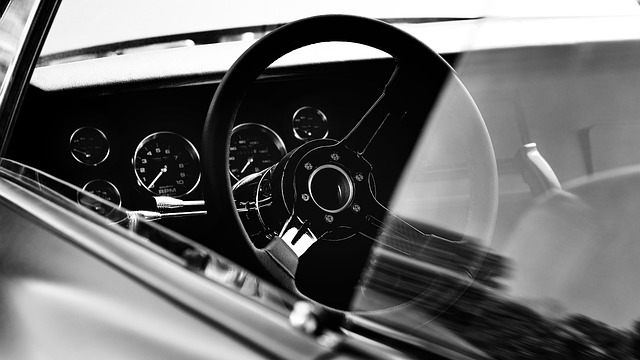
The process of VIN verification plays a pivotal role in the world of classic cars, particularly in ensuring the authenticity and integrity of these timeless treasures. Every vehicle has a unique Vehicle Identification Number (VIN), serving as its fingerprint, and this is where VIN verification comes into play. It involves an extensive background check on the car’s history, manufacturing details, and ownership records to confirm its identity and original specifications.
For classic cars in LA, this procedure is essential as these vehicles often have a rich history spanning decades. By verifying the VIN, enthusiasts and collectors can protect against counterfeits or altered vehicles, ensuring they acquire an authentic piece of automotive heritage. It provides peace of mind, allowing owners to appreciate their classic cars with confidence, knowing that every detail has been meticulously checked and confirmed.
Challenges in Authenticating Vintage Vehicles

Authenticating vintage vehicles, especially in the highly sought-after LA classic car market, presents a unique set of challenges. One of the primary issues is the potential for counterfeits and altered vehicle histories. With the increasing value and popularity of retro cars, there’s a growing market for replicas and restored models that may have had their original parts replaced or their identities tampered with over time. This makes it crucial to employ meticulous methods like vin verification to ensure the vehicle’s authenticity.
Another challenge lies in the accessibility and preservation of records. As vehicles age, paperwork can become scattered, damaged, or lost. Original sales documents, registration papers, and service records may not always be available, making it difficult to trace the vehicle’s history accurately. Vin verification plays a vital role here by cross-referencing the vehicle identification number (VIN) with reliable databases to unearth critical information, thus helping enthusiasts and collectors make informed decisions.
Best Practices for Accurate VIN Verification

When performing VIN (Vehicle Identification Number) verification on classic cars, accuracy is paramount. Best practices include meticulous record-keeping and double-checking each digit against industry standards. Start by comparing the visual VIN on the vehicle with any available documentation, ensuring no discrepancies. Use reputable online databases dedicated to VIN verification, which cross-reference your number against vast datasets to confirm authenticity.
Additionally, inspect the character set and format for any signs of tampering or errors. Remember, a valid VIN is a combination of 17 alphanumeric characters following a specific pattern. By adhering to these practices, you enhance the accuracy of your classic car’s VIN verification process, ensuring its historical integrity remains unaltered.
Vin verification is an indispensable process for ensuring the authenticity and history of classic cars. By understanding the Vehicle Identification Number (VIN) and implementing best practices, enthusiasts can navigate the challenges of authenticating vintage vehicles with greater confidence. This meticulous approach not only safeguards the integrity of these treasured classics but also enriches the experience for both owners and collectors.